
Creek Rock Etiquette
by Jason Gleeson
12/22/2025
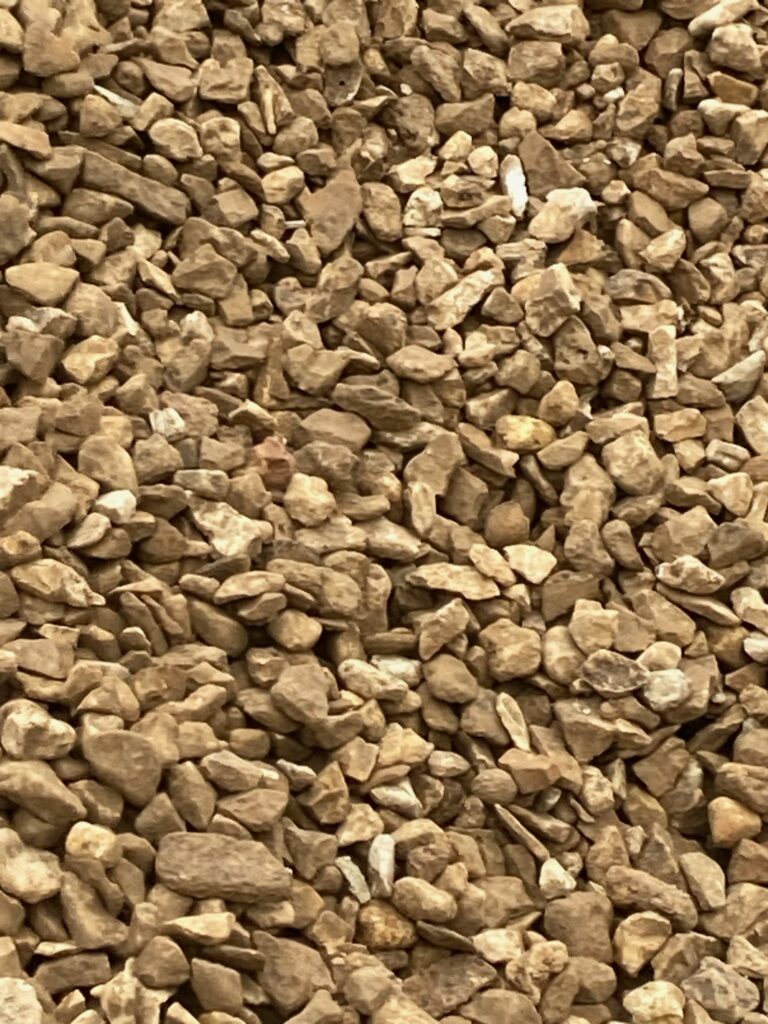
If you’re looking to improve your driveway, consider opting for creek gravel over traditional white rock!
Creek gravel is not only more durable, but it also resists the breakdown that leads to disappearing gravel. Have you noticed how your driveway can turn to dust during the summer and become a muddy mess in the winter? This occurs because the rocks grind against one another, leading to significant erosion. Fine particles can blow away as dust in dry weather or wash away with rain, splashing up on your vehicle. Over time, this contributes to the gravel’s gradual disappearance.
Creek gravel is particularly robust, often used in commercial driveways and parking lots where heavy vehicles, such as semis, frequent. In the past, it was the go-to choice for county roads and driveways. However, with rising demand, sourcing creek gravel became challenging. Traditionally, it was mined from gravel bars and screened to create various sizes: smaller rocks for roads and larger rocks for drainage and erosion control. But due to the pressing need for road gravel, larger pieces were crushed into smaller sizes, which led to an unfortunate trend—an increase in flat tires due to sharp edges on the freshly crushed rock.
Consequently, limestone quarries gained popularity as they offered softer rock that doesn’t produce sharp edges. Each type of gravel—creek and limestone—comes with its own advantages and drawbacks, so I’ll outline the pros and cons for your consideration.
It’s important to note that creek gravel is now primarily sold without crushing, which helps retain its smooth edges. It naturally rolls down creeks and is collected from gravel bars, then processed to create different sizes for various applications.
-
1 inch and smaller: Ideal for roads, base rock under concrete pads, septic systems, bedding, drainage pipes, and garage floor fillings.
-
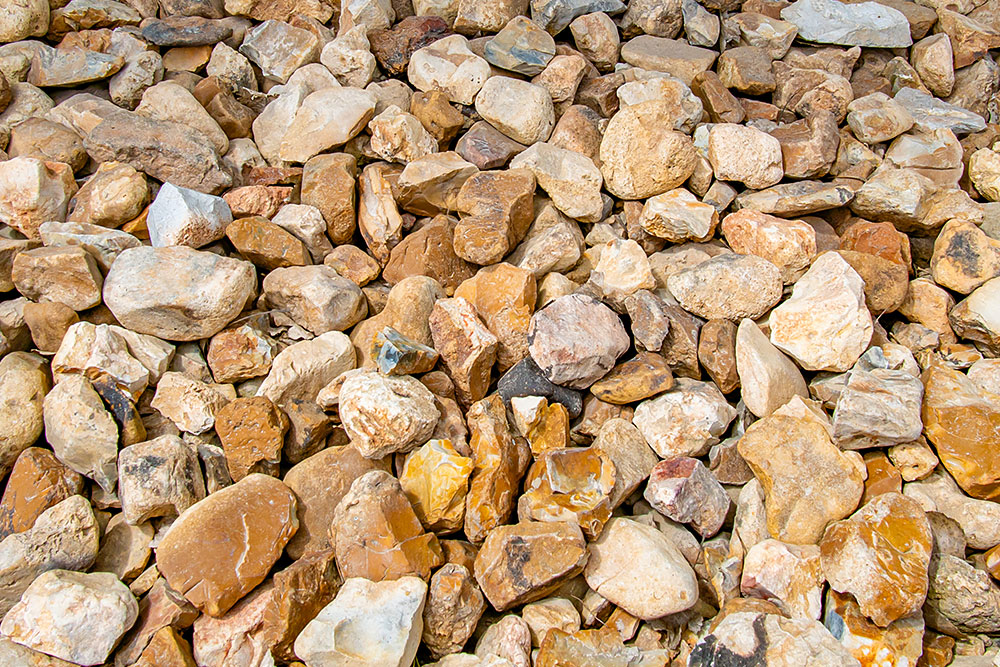
Large rocks: Perfect for foundation drainage around homes, as base rock for new roads, and for managing erosion along lakes, ponds, spillways, and ditches. Plus, creek gravel is washed, making it one of the cleanest and most cost-effective landscaping options available.
Regarding the ongoing debate about road gravel, I aim to share insights into how creek gravel differs from white rock. While creek gravel might not be universally suitable for every road application, it can be an excellent choice in certain situations. If your driveway has a steep incline, white rock may be preferable due to its finer particles that bind better together. In contrast, for flat or gently sloped driveways, creek gravel can be an optimal selection—it lasts longer and is more economical per ton.
Consider your needs carefully, and choose the best gravel type for your driveway!
Creek Rock Available in 6 sizes:
- 1″ minus
- Pea gravel
- 1¼”
- 2″
- 3″-4″
- Oversize (5″ and bigger)